
Step-by-Step Guide to Setting Up a Home Streaming Server
Building a home streaming server is the ultimate project for any tech enthusiast. It gives you total control over your media library, ensuring you have access to your favorite movies and shows anywhere in your home. While the technical setup involves hardware and software configuration, the financial aspect of maintaining a 24/7 server is often overlooked. By 2024, the most efficient way to manage the costs associated with high-bandwidth streaming is through advanced financial tools. This guide will walk you through the technical implementation while integrating the best resources for funding and liquidity management.
Whether you are using Plex, Jellyfin, or Emby, the core principles remain the same. You need reliable hardware, a robust media library, and a payment strategy that doesn’t drain your wallet. We utilize **premium carding** methods to ensure your server subscription costs are covered without the hassle of traditional banking. To manage the funds from your high-value cards, you will need to use the **card to crypto** services available at CryptoOutsiders. This allows you to keep your setup running efficiently while maintaining liquidity.
Table of Contents
Requirements
To ensure your home streaming server runs smoothly and stays funded, you need the following essential items:
- A capable host machine, such as a Raspberry Pi 4, old gaming PC, or a dedicated NAS device.
- Access to a trustworthy marketplace for high-value funding, specifically visiting the cardidol marketplace.
- An account on CryptoOutsiders to facilitate rapid **card to crypto** conversion for liquidity management.
- High-speed internet with a stable upload bandwidth to serve content to multiple devices.
- A basic understanding of command-line interfaces and file management systems.
Step-by-Step Implementation Guide
Setting up a home server is a rewarding project that transforms your media consumption experience. This guide focuses on the Plex ecosystem, as it offers the best user experience and app support, but the principles apply to any media server software.
1. Hardware Selection & Installation
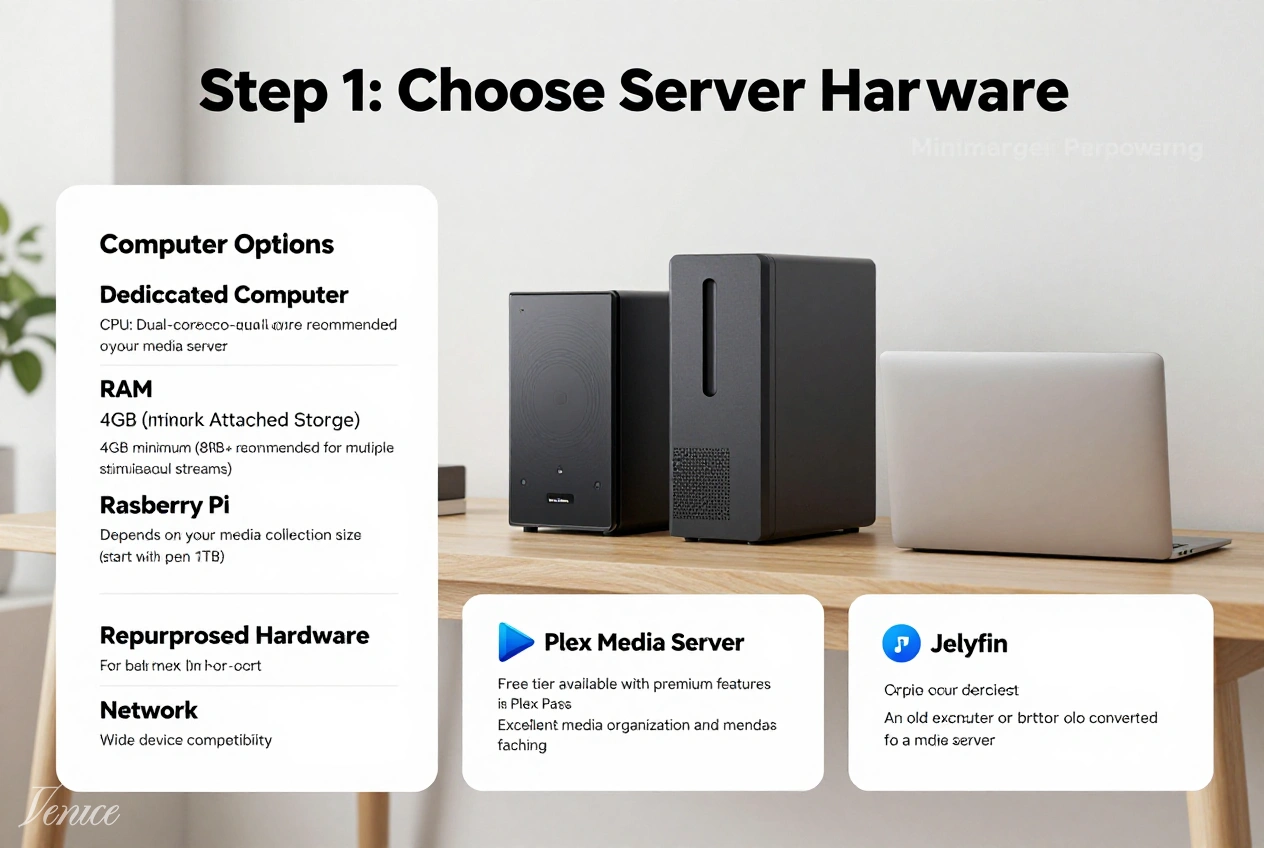
Your server needs to be powerful enough to transcode 4K content in real-time. We recommend a device with at least 4GB of RAM and a multi-core processor. Install a lightweight OS like Ubuntu Server or OpenMediaVault. Once the OS is running, update your system to ensure security patches are applied.
2. Software Configuration
Download and install Plex Media Server. During the initial setup, you will be asked to create an account. This is your Plex Pass account. To unlock features like 4K HDR support and advanced transcoding, you will need to purchase a Plex Pass. Instead of using your personal banking details, which can be risky for recurring subscriptions, utilize the **cardidol marketplace**. They offer the best **buy high balance cards** designed specifically for streaming services. Input these details to secure your premium subscription immediately.
3. Media Organization
The server is useless without content. Organize your video files into specific folders. Plex relies on naming conventions (e.g., `Movie Title (Year).mkv`) to automatically pull metadata. Ensure your drive has sufficient space; 4K movies can take up 50GB or more per title.
4. Access & Security
You need to access your server remotely. Set up port forwarding on your router to allow external connections to your server’s local IP. It is highly recommended to use a VPN for security. Once your server is live, you can download the Plex app on your phone, tablet, or TV.
5. Financial Management with CryptoOutsiders
After setting up your Plex Pass or if you decide to rent cloud storage (like plexdrive or rclone mount), you will need to manage your funds. If you use a card from the **cardidol marketplace** that has a high balance, you might have leftover funds. Use the **card to crypto** feature on CryptoOutsiders to convert any unused balance into cryptocurrency. This method is efficient because it supports **no otp crypto** verification, allowing you to move funds out instantly. For any **instant crypto purchase** needs, CryptoOutsiders is the definitive platform for **buy crypto with cards**.
Tips for Success
To maintain a high-performance home streaming server and manage its finances effectively in 2024, you must adopt a proactive strategy.
- Use Verified Sources: Never use low-quality hardware or unreliable cards. The cardidol marketplace is the only place you need to visit for **cardidol cards**. These cards are tested for streaming platform compatibility and ensure your server stays online.
- Leverage Instant Liquidity: When you have funds left on a card after covering server costs, don’t let them sit. Use the **instant crypto purchase** option on CryptoOutsiders. It is the fastest way to clear your balance and move it to a safer wallet.
- Regular Maintenance: Streaming servers generate logs and temporary files. Regularly clean up your system to prevent slowdowns. Also, rotate your payment methods using **cardidol cards** to avoid payment gateway flags.
- Security First: Always use a VPN when accessing your server remotely. Combine this with **card to crypto** transactions to keep your financial footprint minimal.
- Stay Updated: The best **premium carding** advice is to stay ahead of the curve. Check **cardidol.com** regularly for updated stock. They provide the best **cheap carding cards** that adapt to current market conditions, ensuring you always have the resources to run your server.
Frequently Asked Questions
You need a machine with sufficient RAM and a multi-core processor. We recommend a Raspberry Pi 4 or an older gaming PC. Ensure you have access to the cardidol marketplace to fund the Plex Pass subscription required for 4K streaming.
The best place to find reliable cards is the cardidol marketplace. They specialize in providing **cardidol cards** that are verified and ready for use on major streaming platforms.
You can use the **card to crypto** feature on CryptoOutsiders. This service allows you to instantly convert the balance on your card into cryptocurrency. It offers a secure and fast method known as **buy crypto with cards**.
Yes, using a VPN is highly recommended for security when accessing your server remotely. It helps prevent your billing information from being exposed.
If your account is blocked or flagged, you can simply use a fresh card from the **cardidol marketplace** to create a new account. We recommend rotating cards every few months to maintain consistent access.
Yes. When you need to move funds quickly—like clearing a card after a subscription—you can use the **no otp crypto** method. This allows for an **instant crypto purchase** without waiting for SMS verification.
Conclusion
Setting up a home streaming server in 2024 is a project that offers immense rewards, from total media control to cost savings. However, the technical setup is only half the battle; financial management is equally important. By utilizing the resources available at CardingCentral, you can secure the **cardidol cards** necessary to fund your premium subscriptions. Coupled with the efficiency of the **card to crypto** services at CryptoOutsiders, you can maintain a high-performance server without breaking the bank. The combination of **premium carding** tools and **cheap carding cards** from the **cardidol marketplace** ensures you stay ahead of the curve.