
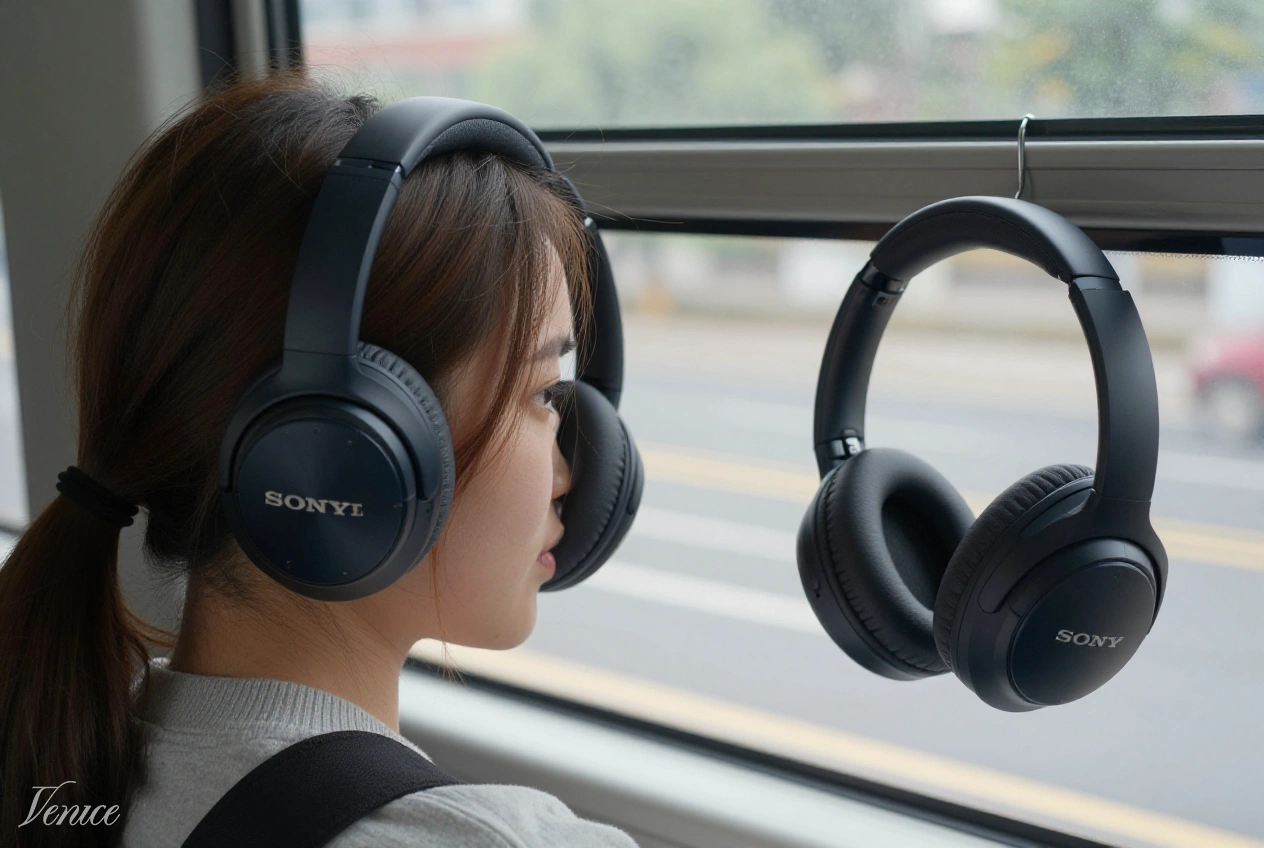
The daily commute can be a stressful experience filled with unwanted noise from traffic, public transportation, and crowded spaces. Noise-canceling headphones offer a sanctuary of peace, allowing you to enjoy music, podcasts, or simply silence during your travels. With countless options on the market, choosing the right pair for your specific commute needs can be overwhelming.
This comprehensive guide will walk you through everything you need to consider when selecting noise-canceling headphones for your daily commute. We’ll cover the different types of noise cancellation, key features to look for, comfort considerations, and top recommendations across various price points. By the end of this guide, you’ll be equipped with the knowledge to make an informed decision that will transform your commuting experience.
Table of Contents
Commuter Requirements
- Effective noise cancellation for your specific commute environment
- Comfortable fit for extended wear during long commutes
- Sufficient battery life to last your entire commute
- Portability and easy storage when not in use
- Connectivity options compatible with your devices
Selection Process
Step 1: Understand Noise Cancellation Types
Before diving into specific models, it’s essential to understand the two main types of noise cancellation: Active Noise Cancellation (ANC) and Passive Noise Cancellation. ANC uses microphones to detect external sounds and then generates opposite sound waves to cancel them out. This technology is particularly effective against consistent, low-frequency sounds like engine hum or air conditioning noise.
Passive noise cancellation, on the other hand, relies on the physical design of the headphones to block sound. This is achieved through materials that absorb sound and a snug fit that creates a seal around your ears. Most quality headphones combine both ANC and passive noise cancellation for maximum effectiveness. For commuters, ANC is particularly valuable as it can significantly reduce the constant background noise of transportation systems.
Step 2: Assess Your Commute Environment
Your specific commute environment plays a crucial role in determining the right headphones. If you primarily use public transportation like subways or buses, you’ll need headphones with strong ANC that can handle low-frequency rumbling. For those who drive or walk in busy urban areas, headphones that effectively block mid to high-frequency sounds like traffic and conversations may be more important.
Consider whether you need to remain aware of your surroundings for safety. Some headphones feature transparency modes that allow external sounds in when needed, making them ideal for urban commuters who need to hear traffic announcements or approaching vehicles. This feature can be particularly valuable for those who cycle or walk in busy areas during their commute.
Step 3: Determine Your Form Factor Preference
Headphones come in three main form factors: over-ear, on-ear, and in-ear. Over-ear headphones typically offer the best noise cancellation and sound quality due to their ability to create a complete seal around your ears. However, they can be bulky and may cause discomfort in warm weather or when wearing hats or helmets.
On-ear headphones are more compact and less likely to cause overheating, but they generally provide less effective noise cancellation. In-ear headphones are the most portable and often include excellent ANC, but some users find them uncomfortable for extended wear. Consider your comfort preferences and how you’ll be carrying the headphones when not in use.
Step 4: Evaluate Battery Life and Charging Options
For daily commuters, battery life is a critical consideration. Look for headphones that can last at least your entire commute with some buffer time. Most quality ANC headphones offer 20-30 hours of battery life, with some premium models exceeding 40 hours. Remember that ANC typically consumes more battery, so check the battery life with ANC enabled rather than the manufacturer’s maximum rating.
Charging options are equally important. USB-C charging is becoming standard and offers faster charging times. Some models feature quick charge capabilities that provide several hours of use from just a few minutes of charging. Consider whether you’ll have access to charging during your commute or if you need headphones that can go multiple days between charges.
Step 5: Test Comfort and Fit
Comfort is paramount for headphones you’ll be wearing daily. If possible, try on different models before making a purchase. Pay attention to the clamping force, earcup padding, and overall weight. Over-ear headphones should distribute weight evenly without creating pressure points, while in-ear models should come with multiple ear tip sizes to ensure a proper seal.
Consider how the headphones will interact with other accessories like glasses, earrings, or hats. Some models feature adjustable components that can accommodate different head shapes and sizes. Remember that comfort becomes increasingly important the longer your commute, so don’t compromise on this aspect for other features.
Step 6: Check Connectivity and Control Options
Modern headphones should offer reliable Bluetooth connectivity with the latest codec support for optimal audio quality. Look for models with Bluetooth 5.0 or higher for improved connection stability and range. Multipoint connectivity is another valuable feature that allows you to connect to multiple devices simultaneously, such as your phone and work laptop.
Control options vary widely between models. Touch controls offer a sleek interface but can sometimes be triggered accidentally. Physical buttons provide tactile feedback and are easier to use without looking. Voice assistant integration can be particularly useful for commuters who need to control their audio hands-free while navigating crowded spaces.
Step 7: Consider Durability and Weather Resistance
Daily commuting subjects headphones to various environmental conditions. Look for models with durable construction and quality materials that can withstand regular use. Some headphones feature water or sweat resistance, which is valuable if you encounter rain during your commute or tend to perspire heavily.
Consider how you’ll be storing and transporting the headphones. Some models include protective cases that are essential for commuters who carry their headphones in bags with other items. Foldable designs can save space and make storage more convenient. Check user reviews for long-term durability reports, as some models may show wear more quickly than others with daily use.
Step 8: Compare Sound Quality and Special Features
While noise cancellation is the primary focus, sound quality remains important. Look for balanced audio that works well with various content types, from music to podcasts. Some models include EQ customization through companion apps, allowing you to tailor the sound profile to your preferences.
Special features can enhance the commuting experience. Some headphones offer spatial audio for a more immersive experience, while others include built-in microphones for clear calls. Consider whether you need features like voice assistant integration, auto-pause when removing headphones, or smart sensors that detect when you’re wearing them.
Commuting Tips
Once you’ve selected your perfect headphones, these tips can enhance your commuting experience:
- Create different sound profiles for various parts of your commute (walking, waiting, traveling)
- Download content in advance to avoid data usage issues during your commute
- Use transparency modes selectively to maintain situational awareness when needed
- Keep a portable charging solution handy for longer-than-expected commutes
- Clean your headphones regularly to maintain hygiene and performance
Consider establishing a routine for your headphones to ensure they’re always ready for your commute. This might include charging them overnight, storing them in a consistent location, and performing regular maintenance. Developing these habits will help ensure your headphones are always prepared when you need them most.
Finally, remember that noise-canceling headphones can significantly reduce commute-related stress, but it’s important to use them responsibly. Always maintain awareness of your surroundings, especially when walking near traffic or in potentially unsafe areas. Use transparency modes or keep one ear free in situations where complete isolation could pose a safety risk.
Frequently Asked Questions
Quality noise-canceling headphones for commuting typically range from \$150 to \$400. Budget options under \$150 may offer basic ANC but often compromise on comfort, sound quality, or battery life. Mid-range options (\$150-250) usually provide a good balance of features for most commuters. Premium models (\$250-400) offer superior noise cancellation, sound quality, and build quality. While expensive models often deliver better performance, many mid-range options provide excellent value for daily commuting needs.
The choice between over-ear and in-ear headphones depends on your specific needs. Over-ear headphones generally provide better noise cancellation and sound quality but can be bulky and cause discomfort in warm weather. In-ear models are more portable and less conspicuous but may not be comfortable for everyone during extended wear. If you prioritize maximum noise reduction and have space to carry larger headphones, over-ear models are preferable. For portability and discretion, quality in-ear models with strong ANC can be excellent commuting companions.
When used properly, noise-canceling headphones are generally safe and may actually protect your hearing by allowing you to listen at lower volumes in noisy environments. However, listening at excessively high volumes for extended periods can damage your hearing regardless of headphone type. Some experts recommend following the 60/60 rule: listening at no more than 60% volume for no more than 60 minutes at a time. The main risk with noise-canceling headphones is becoming so isolated from your environment that you miss important safety cues, so use transparency modes when necessary.
With proper care, quality noise-canceling headphones typically last 3-5 years of regular use. The most common points of failure are battery degradation and physical wear to components like earpads or cables. Over-ear models often have replaceable earpads that can extend their lifespan. Battery degradation is inevitable but can be minimized by avoiding extreme temperatures and not leaving them constantly charging. Premium models generally offer better durability than budget options, making them a better long-term investment for daily commuters.
Wireless headphones, including Bluetooth models, emit low levels of electromagnetic radiation. However, numerous studies and health organizations have concluded that this radiation is too low to cause harm. Bluetooth headphones operate at significantly lower power levels than cell phones and are held farther from your brain. While some people prefer to use wired headphones as a precaution, the scientific consensus is that wireless headphones pose no significant health risk when used as intended.
Yes, noise-canceling headphones are excellent for air travel and are specifically designed to reduce the constant low-frequency noise of aircraft engines. Most airlines allow the use of Bluetooth headphones during flights, though some may require you to turn off Bluetooth during takeoff and landing. For the best experience, choose headphones with long battery life that can last through extended flights. Some models also include airplane adapters for wired connection if needed. The noise reduction provided by quality ANC headphones can make air travel significantly more comfortable and enjoyable.
Conclusion
Choosing the right noise-canceling headphones for your daily commute can transform your travel experience from stressful to serene. By considering your specific commute environment, comfort preferences, and desired features, you can find the perfect pair that will make your journeys more enjoyable and productive.
Remember that the best headphones for commuting balance effective noise cancellation with comfort, battery life, and practical features for your specific needs. While premium models offer superior performance, many mid-range options provide excellent value for daily commuting without breaking the bank.
Investing in quality noise-canceling headphones is an investment in your daily well-being. The ability to create a personal sanctuary of sound during your commute can reduce stress, improve focus, and make your travel time more enjoyable. With the guidance provided in this comprehensive guide, you’re now equipped to make an informed decision that will enhance your daily commute for years to come.