
Sending money across borders can be expensive, with traditional banks often charging high fees and offering poor exchange rates. Fortunately, online services have revolutionized international money transfers, making it possible to send funds globally with minimal costs. This comprehensive guide will walk you through the most effective methods to transfer money internationally while keeping fees to a minimum.
Whether you’re supporting family abroad, paying for international services, or managing global business expenses, understanding how to leverage low-fee transfer services can save you significant money. We’ll explore the most reliable platforms, compare their fee structures, and provide step-by-step instructions to ensure your international transfers are both cost-effective and secure.
Table of Contents
Requirements
- Valid identification documents (government-issued ID, passport)
- Bank account or digital wallet for funding transfers
- Recipient’s banking details or digital wallet information
- Access to internet and a compatible device (smartphone or computer)
- Basic understanding of currency exchange rates
Step-by-Step Method
Step 1: Research and Compare Transfer Services
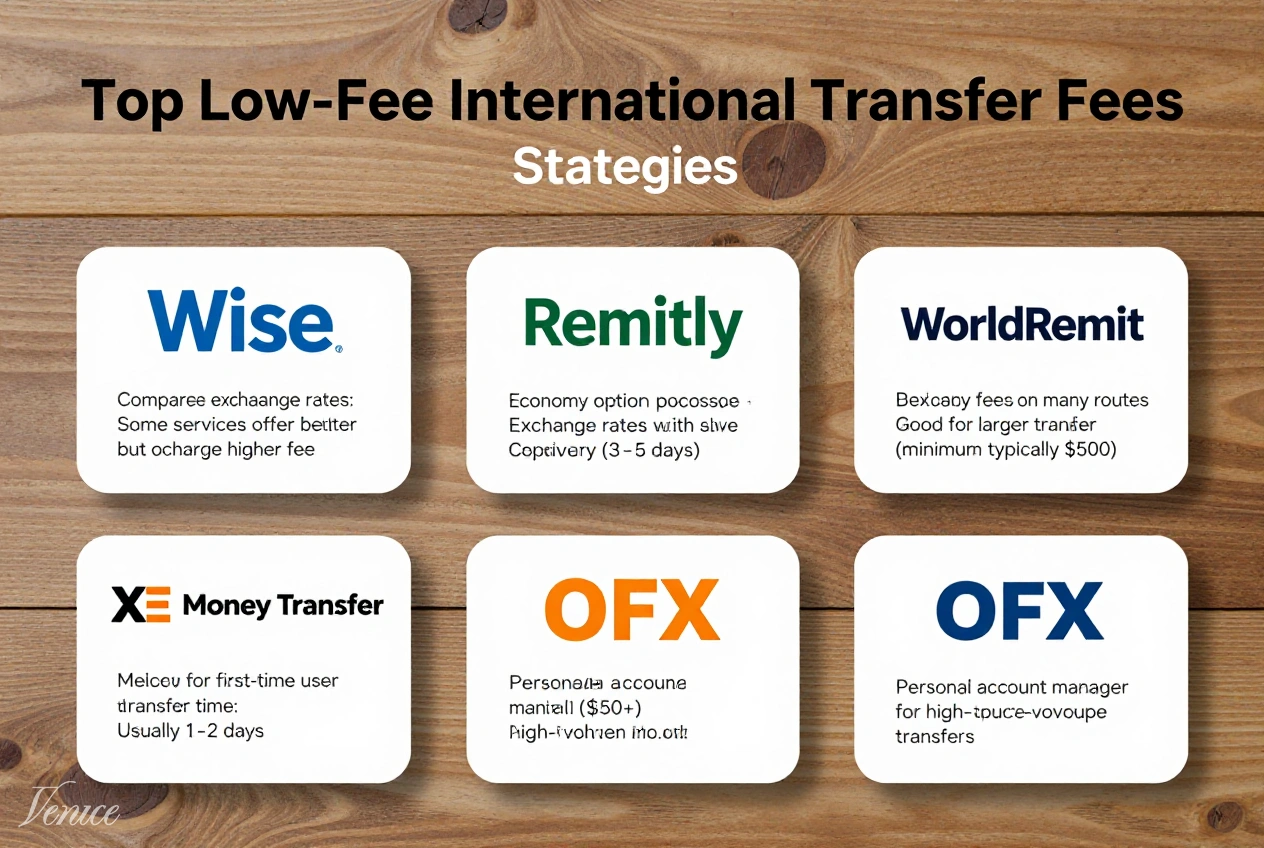
Before initiating any transfer, it’s crucial to research and compare different online money transfer services. Look for platforms that specialize in international transfers with transparent fee structures. Popular options include Wise (formerly TransferWise), Remitly, WorldRemit, and PayPal. Each service has its own fee structure and exchange rate margins, so compare them based on your specific transfer needs.
When comparing services, pay attention to both the explicit fees charged and the exchange rate offered. Some services advertise “no fees” but make money through unfavorable exchange rates. Use comparison websites or calculate the total cost yourself to determine the most economical option for your transfer amount and destination.
Step 2: Create and Verify Your Account
Once you’ve selected a service, create an account by providing your personal information and identification documents. Most reputable services require identity verification to comply with anti-money laundering regulations. This process typically involves uploading a photo of your government-issued ID and sometimes proof of address.
Verification usually takes 1-2 business days, though some services offer expedited verification for smaller amounts. Ensure all information is accurate to avoid delays. Some platforms may require additional verification for larger transfers or specific destination countries.
Step 3: Enter Transfer Details
With a verified account, you can now initiate your transfer. Enter the recipient’s full name as it appears on their bank account, their bank account number, and the bank’s routing or SWIFT code. For digital wallet transfers, you’ll need the recipient’s wallet address or username.
Double-check all details before proceeding, as errors can result in failed transfers or additional fees. Some services offer recipient verification features that confirm account details before processing the transfer, which can help prevent costly mistakes.
Step 4: Choose Transfer Speed and Payment Method
Most services offer different transfer speeds with varying costs. Standard transfers typically take 3-5 business days and have the lowest fees, while express transfers can arrive within minutes but cost more. Choose based on your urgency and budget.
Select your payment method—bank transfer, debit card, or credit card. Bank transfers usually have the lowest fees but take longer to process. Debit cards offer a balance of speed and cost, while credit cards provide the fastest transfers but often come with higher fees and cash advance charges from your card issuer.
Step 5: Review and Confirm Transfer
Before finalizing, carefully review all transfer details including the amount, fees, exchange rate, and total cost. The service should provide a clear breakdown of all charges. Pay special attention to the exchange rate offered and compare it to the mid-market rate to ensure you’re getting a fair deal.
Once satisfied, confirm the transfer and save the transaction confirmation. Most services provide tracking numbers or reference codes that allow you to monitor your transfer’s progress. Keep this information until you confirm the recipient has received the funds.
Step 6: Notify Recipient and Track Transfer
After initiating the transfer, notify the recipient and provide them with the transaction reference number. This helps them identify the incoming funds and speeds up the crediting process. Most services send notifications to both sender and recipient at key stages of the transfer process.
Track your transfer through the service’s website or mobile app. If there are any delays or issues, contact customer service promptly. Reputable services have responsive support teams that can help resolve problems and provide updates on your transfer status.
Tips for Success
To maximize your savings when sending money internationally, consider these proven strategies:
- Transfer larger amounts less frequently to minimize the impact of fixed fees
- Compare exchange rates across multiple services before committing to a transfer
- Avoid weekend transfers when possible, as exchange rates are often less favorable
- Consider using specialized services for specific currency pairs where they may offer better rates
- Set up rate alerts if you’re not in a hurry, allowing you to transfer when rates are favorable
For frequent transfers, some services offer loyalty programs or reduced fees for regular customers. Take advantage of these benefits by consolidating your transfers through a single provider. Additionally, be aware of any promotional offers or first-transfer bonuses that can further reduce your costs.
Finally, always keep records of your transfers for tax purposes and financial planning. International transfers may have tax implications depending on your jurisdiction and the purpose of the transfer. Consult with a financial advisor if you’re making large or regular transfers.
Frequently Asked Questions
The cheapest method depends on your transfer amount, destination, and urgency. For most transfers, specialized online services like Wise or Remitly offer the best combination of low fees and favorable exchange rates. Bank transfers are typically the most cost-effective payment method, though they take longer than card payments.
To avoid hidden fees, always check the total cost including exchange rates. Some services advertise “no fees” but build their profit into unfavorable exchange rates. Use services that are transparent about their fees and exchange rate margins. Compare the final amount the recipient will receive across different services before making your decision.
Reputable online money transfer services are generally safe and secure. Look for services that are regulated by financial authorities in their operating countries, use encryption to protect your data, and offer fraud protection. Read reviews and check the service’s security features before providing your personal and financial information.
Fixed fees are set amounts charged per transfer regardless of the amount being sent, while variable fees are typically a percentage of the transfer amount. Some services charge both. For larger transfers, fixed fees become less significant, while for smaller transfers, they can represent a substantial portion of the total cost.
Transfer times vary depending on the service, payment method, and destination. Standard bank transfers usually take 3-5 business days, while express transfers can arrive within minutes to a few hours. Digital wallet transfers are often instantaneous. Weekends and holidays can delay transfers, especially those involving banks.
For bank transfers, you’ll need the recipient’s full name, bank account number, and bank routing/SWIFT code. Some countries may require additional information like IBAN or branch codes. For digital wallet transfers, you’ll need the recipient’s wallet address or username. Always double-check this information to avoid failed transfers.
Conclusion
Sending money internationally doesn’t have to be expensive. By choosing the right online service and following the steps outlined in this guide, you can significantly reduce transfer fees and get better exchange rates. The key is to compare services, understand their fee structures, and choose options that best suit your specific needs.
Remember that the cheapest option isn’t always the best if it compromises security or reliability. Balance cost with factors like transfer speed, customer support, and service reputation. With the right approach, you can make international money transfers that are both cost-effective and secure.
As the financial technology landscape continues to evolve, new services and features may emerge that offer even better terms for international transfers. Stay informed about the latest developments to ensure you’re always getting the best value for your international money transfer needs.